
Introduction
Technology is changing how people design, learn, work, and interact with the world. Two important technologies driving this transformation are simulation and Extended Reality (XR). These technologies allow individuals and organizations to explore virtual environments, test ideas, practice skills, and solve complex problems before applying solutions in the real world. From manufacturing and healthcare to education, architecture, and entertainment, simulation and XR are creating new opportunities for innovation, efficiency, and productivity.
Understanding Simulation
Simulation is the process of creating a virtual representation of a real-world system, process, or situation. It allows users to observe how something behaves under different conditions without physically building, changing, or testing it.
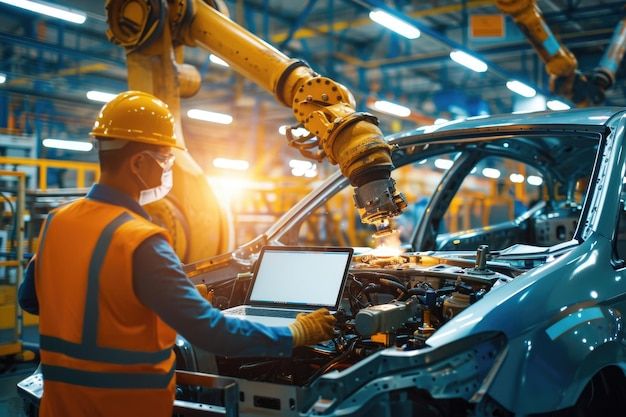
For example, engineers can simulate the operation of a factory before installing machines. They can identify equipment conflicts, predict production delays, analyze material movement, and improve the arrangement of machines. Similarly, pilots use flight simulators to practice flying under different weather conditions without risking an actual aircraft.
Understanding Extended Reality (XR)
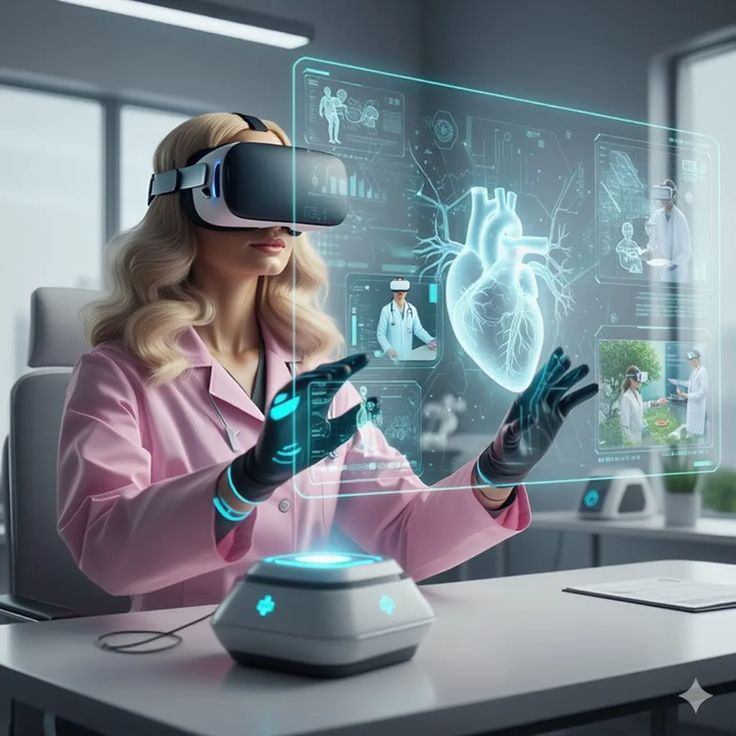
Extended Reality, commonly known as XR, is an umbrella term that includes three major technologies: Virtual Reality (VR), Augmented Reality (AR), and Mixed Reality (MR). These technologies combine digital content with human perception and interaction in different ways.
Virtual Reality (VR) creates a completely immersive digital environment. Users typically wear a VR headset to explore and interact with a computer-generated world. VR is useful for training, virtual tours, gaming, and safety simulations.
Augmented Reality (AR) adds digital information, such as images, instructions, or 3D models, to the user’s view of the real world. For example, a maintenance technician can use an AR device to see instructions displayed over a machine while repairing it.
Mixed Reality (MR) combines physical and digital environments, allowing virtual objects to interact with or remain anchored to the real world. Engineers can use MR to examine a full-scale virtual machine within an actual workspace and collaborate with colleagues during a design review.
Together, these technologies improve visualization, interaction, communication, and practical learning.