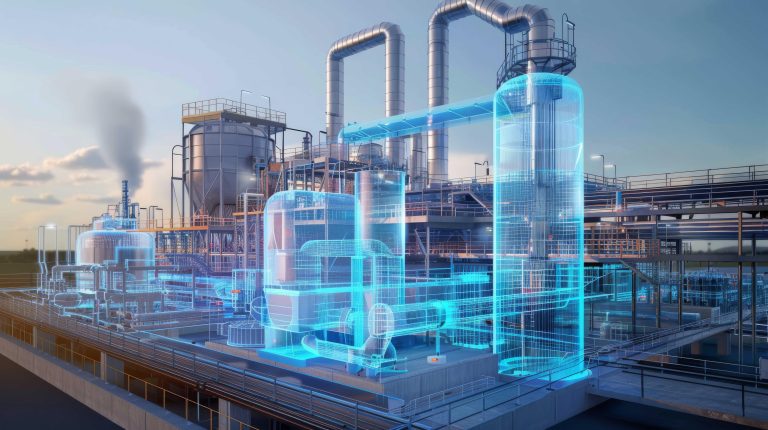

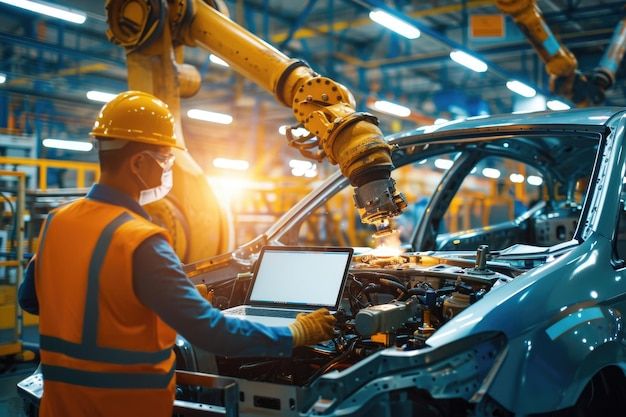
imulation and XR become especially powerful when combined. Simulation provides the virtual models, data, and behavior of a system, while XR offers an immersive way to view and interact with that information.
For example, a manufacturing company can create a simulation of a production line and display it through a VR headset. Engineers can explore the factory layout, inspect machine positions, and identify possible operational challenges before construction begins.
In education, students can explore simulated scientific environments through VR. In healthcare, medical professionals can practice procedures in realistic virtual scenarios. In construction, architects can use MR to visualize building designs within actual locations before construction starts.
These applications make complex information easier to understand and allow users to gain practical experience in controlled environments
Benefits and Challenges
Simulation and XR offer several benefits, including improved safety, reduced development costs, faster training, better collaboration, and more informed decisions. They also allow organizations to test situations that may be expensive, dangerous, or impossible to reproduce physically.
However, adopting these technologies presents challenges. Hardware and software can be costly, specialized skills may be required, and developing realistic digital models can take considerable time. Some users may also experience discomfort when using VR headsets. Organizations must therefore evaluate their needs, available resources, and expected benefits before implementation..